


Retail · SaaS
A point-of-sale system that keeps sales, stock and receipts together on till, tablet and phone.
Screen capture, 1908 × 944
UX research, user flows, interfaces and design systems, tested with real users before anything is built.
Seven services, from the first interview to the system your developers build from. Take one, or all seven.
Interviews, analytics and a look at your competitors, so the design starts from what users do rather than what anyone assumes.
User flows, wireframes and clickable prototypes that settle how the product works before it is drawn in detail.
Every screen in every state — empty, loading, error and full — in a visual language that is yours.
Components and tokens in Figma, kept in step with the ones in code, so new screens are assembled rather than redrawn.
People like your users try the prototype; where they get stuck, the flow changes before anyone builds it.
Contrast, text size, focus order, labels and keyboard use, checked against WCAG as each screen is designed.
A review of your live product's flows, screens and drop-offs, then a redesign of what fails, shipped in steps your team can release.
Five steps, from what your users actually do to a design your developers can build.
Users, goals, analytics and competitors studied, with a UX audit if you're already live.
User flows, information architecture and wireframes for every key screen.
Every screen and state designed, with the design system built alongside.
A clickable prototype tried with real users, fixed and tried again.
Specs, tokens and the Figma library, with your developers' questions answered during the build.
Whether we build it or your developers do, the design reaches the code with nothing lost: the same components, the same names, every state.
Components, variants and tokens are named in the file the way the code names them, so nothing is translated on the way.
Empty, loading, error and disabled, drawn before anyone asks, so no state is left for a developer to guess.
The same team builds it, or your developers get the files and the system to build it themselves.
Custom software development across industries: web, mobile and AI applications, built and security-audited by one team.
We also build software for insurance (insurtech), government (govtech), energy and media. If your industry is not listed, we can still build for it.
One studio that researches, designs and tests your product — and can build it too.
The designers and the engineers are one team, so no screen is drawn that the code cannot hold.
People like your users try the flows while changing them still costs a drawing, not a rebuild.
Components and tokens carry the same names in Figma and in the codebase, so the product stays consistent as it grows.
Contrast, focus and labels are checked as each screen is designed, not patched after launch.
Hand the work to your own developers with every state drawn, or have the same team build it.
Scope, price and dates in writing after a first call, before any design starts.
What the designs are made in, and what carries them into the build.
Three products of our own, designed, built and tested by the same team that does the work for clients.
Retail · SaaS
A point-of-sale system that keeps sales, stock and receipts together on till, tablet and phone.
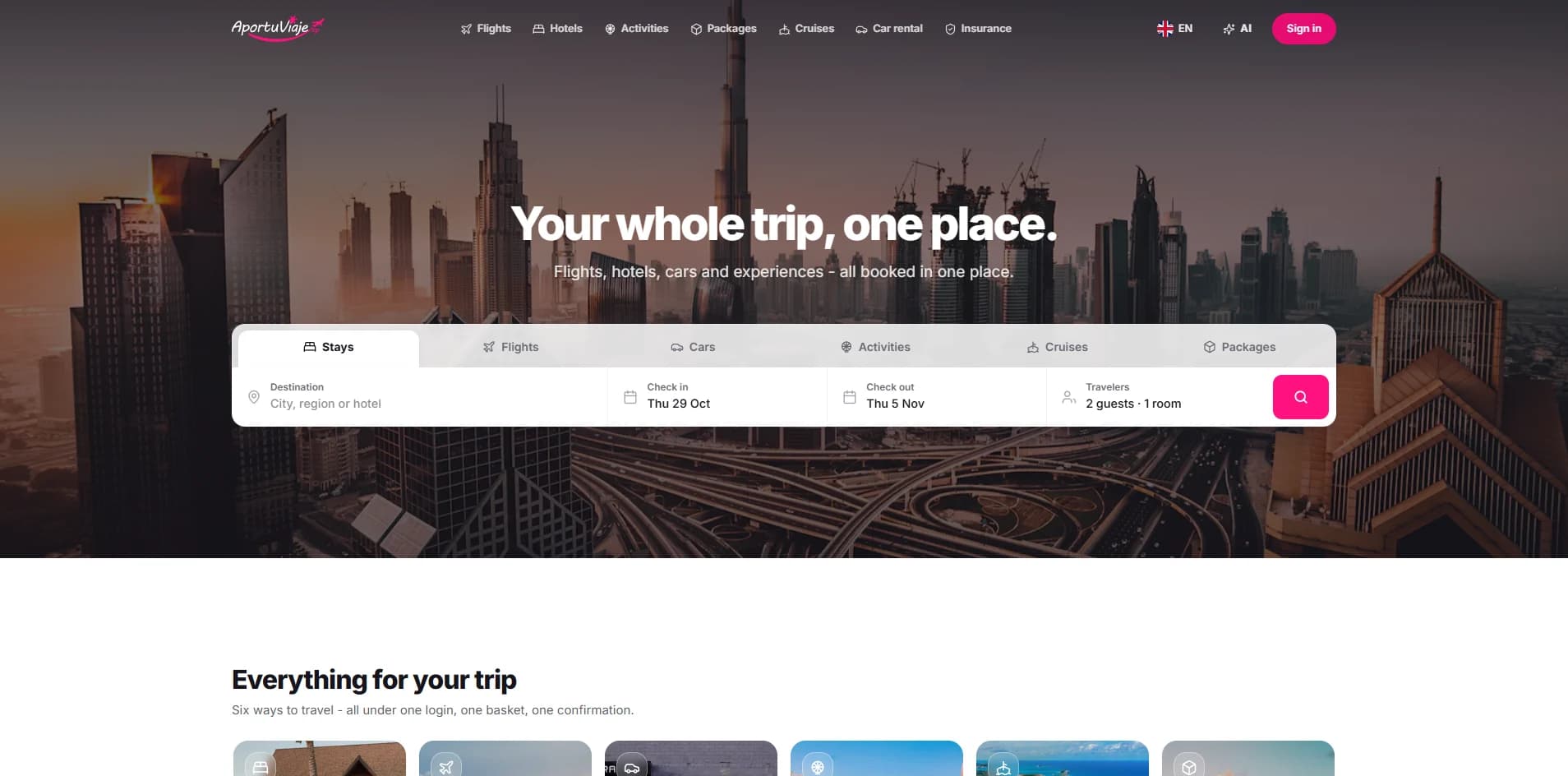
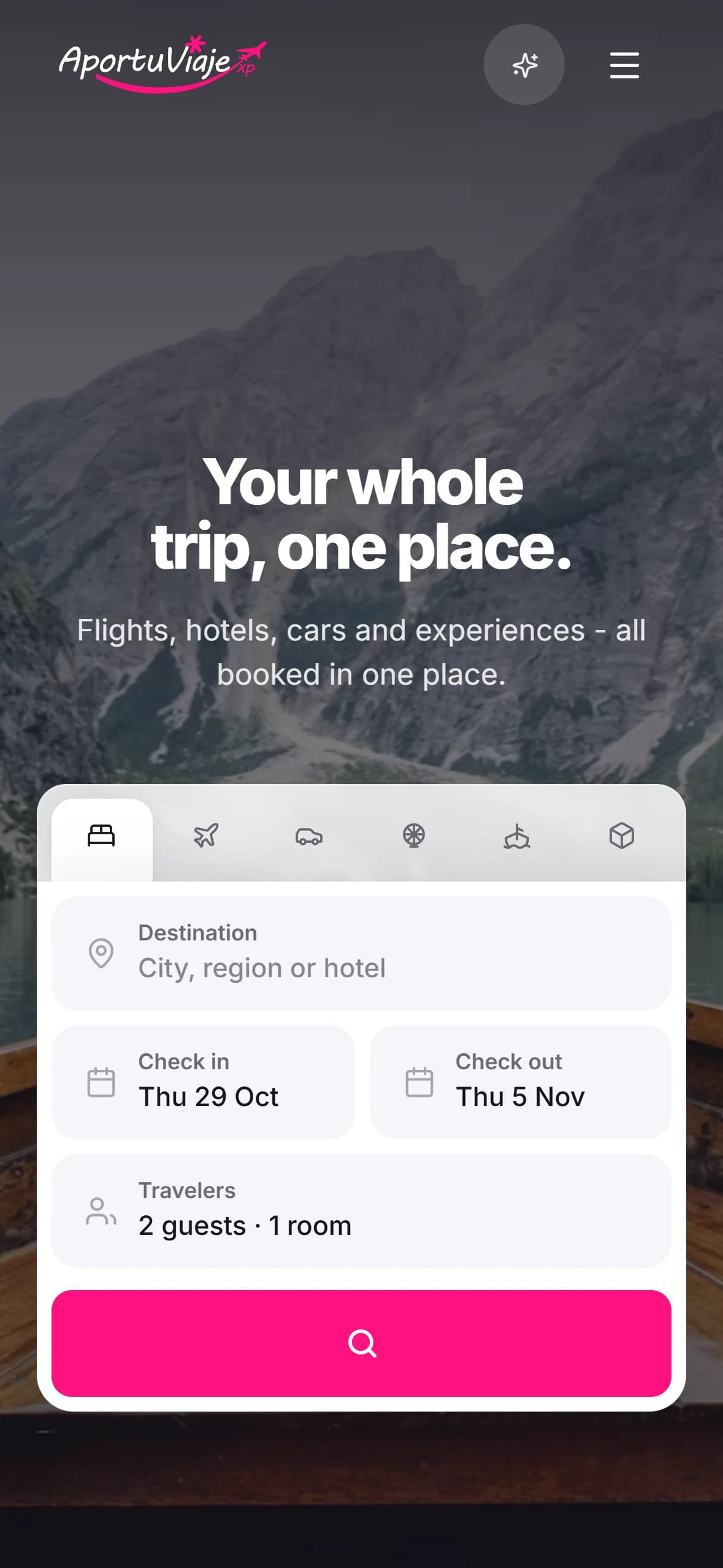
Travel
A travel booking app whose AI assistant finds flights, hotels and trip ideas, through to a confirmed booking.
AI
An AI assistant for customer support and sales that answers questions and guides buyers.
The ones teams ask before they start one, answered plainly.
It depends on the scope — a few key flows, a whole app, or a design system. After a first call you get a written estimate with the scope, the price and the dates, before any design starts.
It depends on the scope: a few flows take less time than a whole product and its design system. The estimate names the dates, and you see the work at every stage rather than at the end.
Yes. We design and build together, or design on our own and hand the work to your developers — whichever suits your team.
Yes. We can extend your design system, redesign what isn't working, or build from the Figma files your designers own.
The design files, a clickable prototype of the key flows, and the design system the screens are built from. What is included is set out in the estimate.
We put a clickable prototype in front of people like your users and watch them try the key tasks. Where they get stuck, the flow is redesigned and tested again before anything is built.
Yes. A UX audit reviews the live product — its flows, its screens and where users drop off — and the redesign fixes what the audit finds, in steps your team can ship.
Yes. Contrast, text size, focus order, labels and keyboard use are checked against WCAG as the screens are designed, not after they are built.
Yes, when we build the product: the same components and tokens exist in the design file and in the codebase, under the same names.
Yes. Web apps, mobile apps and websites, with the same process — from research to the screens and the system behind them.